Ranch data isn’t the goal. Better decisions are.
In the current landscape of beef sustainability, we’ve developed an obsession with the harvest. No, not the cattle; the data.
As Scope 3 carbon insetting programs become available across the supply chain, the pressure on cattle producers to digitize their records has never been higher. From grazing histories to breeding decisions and weaning weights, the demand for a digital trail continues to climb. However, we are seeing a concerning trend. If we continue to treat data collection as a mere program compliance hurdle, a “box to be checked” to satisfy a corporate ESG report, there’s a good chance we’ll fail to maximise everyone’s goal within these programs: driving ranch and rangelands efficiency.
The hard truth is that record keeping and data management without insight or action leaves value and improvements unrealized. To truly reduce the carbon footprint of the beef industry, we must stop focusing on the collection of data and start focusing on the application of it.
The problem with “data for data’s sake”
For many producers, “data” has become a dirty word. It represents hours spent behind a screen instead of in the saddle or on the land. When a sustainability program asks a producer to submit their records in exchange for a premium or a certificate, it creates a transactional relationship. The producer collects and shares the data and the company gets the report.
In this model, the data serves a vital purpose for the supply chain, but the value often stops there. While it can help a brand meet its reporting goals, it doesn’t necessarily help the producer improve their soil health, increase calving percentage, or make better decisions during drought. Since the producer experiences the process as a one-way street, record keeping feels like an administrative burden rather than a management opportunity.
Sharing this data is important, and the reporting value is real. However, if producers don’t see insight or operational impact from what they collect, the program’s full potential is never realized. The company may get the data it needs, but without better decisions and performance on the ground, both the ranch and the brand miss the bigger opportunity to drive meaningful outcomes and maximize their return on investment.
The shift to intrinsic motivation
True sustainability happens when we flip the script: when data can be turned into actionable insight for the rancher, sustainability reporting becomes a frictionless byproduct.
When a producer uses digital records to bridge the gap between what happened and what should happen next, their motivation changes. They aren’t entering data solely for compliance; they’re capturing information that turns into insights, which in turn, reveals whether their practice changes and management decisions are actually improving their business’s bottom line. And isn’t that the goal of the program in the first place?
When data-driven insights deliver clear operational ROI, producers stay intrinsically motivated to keep accurate records. They don’t need to be nudged to participate in an insetting program because they’re already collecting the information required to run their operation. The sustainability metrics the brand needs are simply a byproduct, and best of all, they’re already there, structured, and ready to share when permissioned.
From reporting to ranching
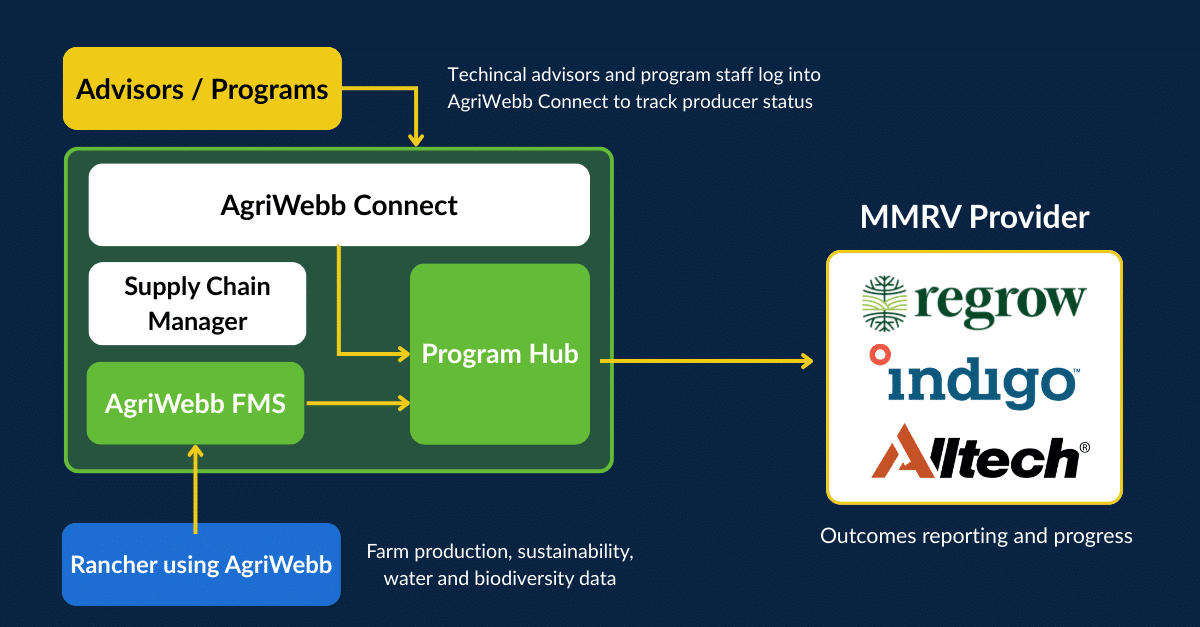
This shift requires data structuring that enables easy collaboration with another key player in the climate conversation: a producer’s technical advisors, such as their veterinarian, nutritionist, or range consultant.
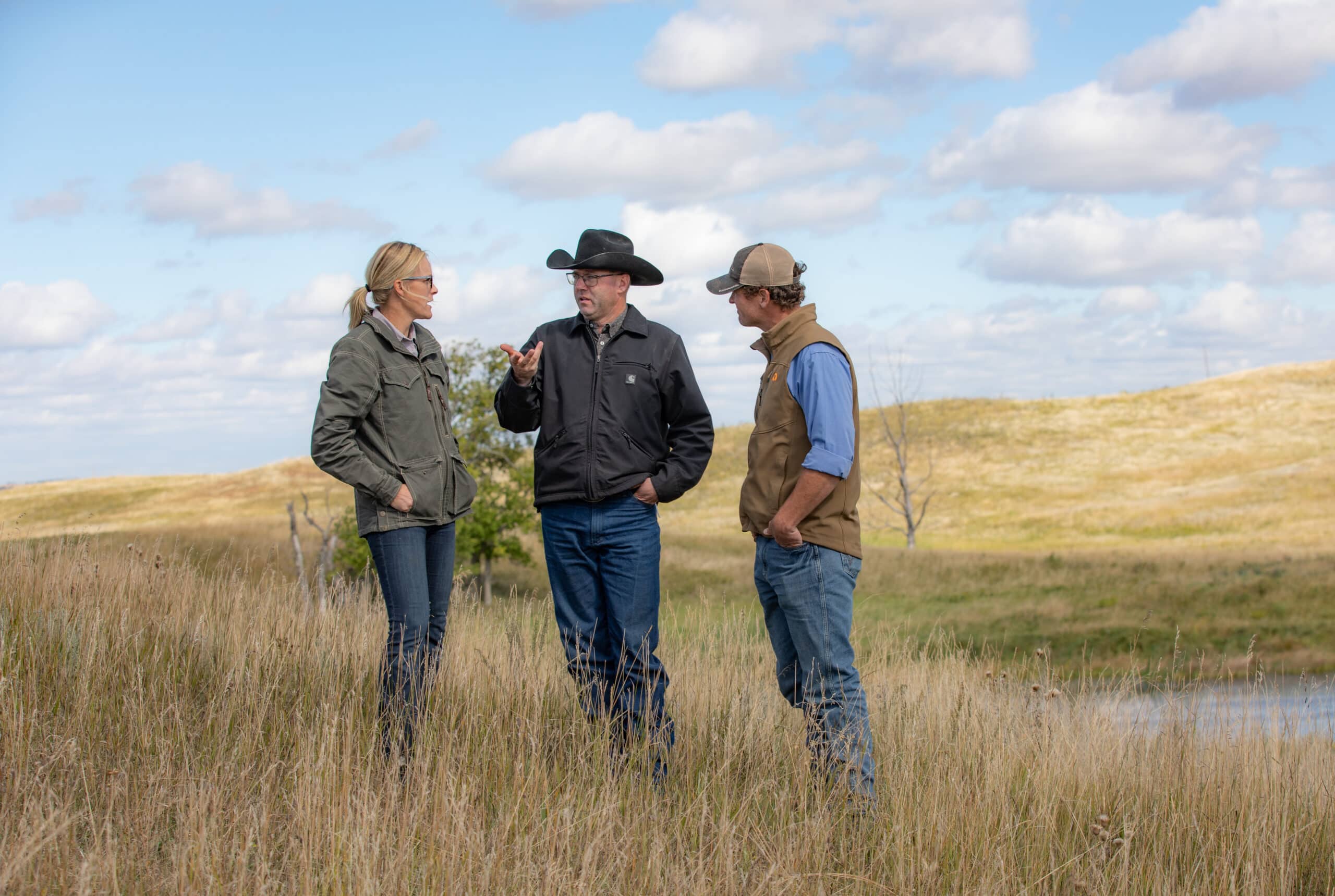
When producers walk into conversations with their advisors armed with real-time insight from their records, the conversation changes. Those insights become a diagnostic tool that helps identify what’s working, what isn’t, and where to focus next. Instead of managing reactively, they’re proactively making decisions that improve performance going forward.
This is what insight-driven management can look like in practice:
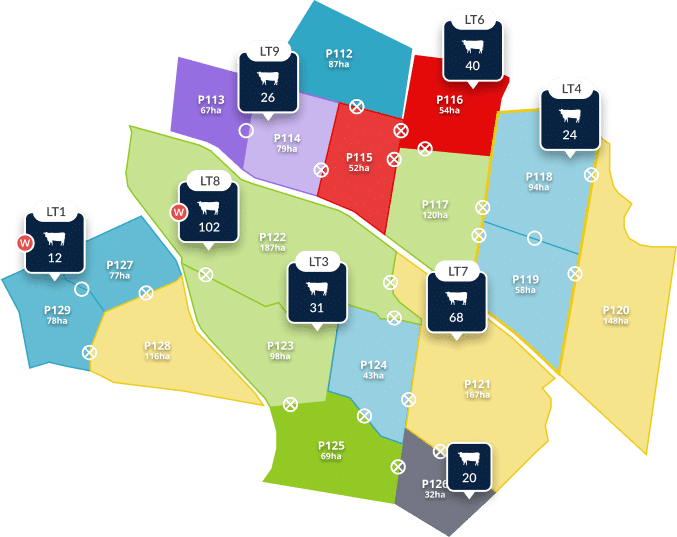
- Grazing insights aren’t just about documenting rest periods. They help pinpoint underperforming pastures and guide adjustments to stocking rates, rotation timing, or recovery plans to improve forage utilization and animal gain.
- Health and mortality insights aren’t simply a record of loss. They help uncover patterns and risk factors, enabling earlier practice adoption that improves herd performance and reduces the emissions associated with animals that never reach the market.
- Performance insights like Average Daily Gain connect day-to-day management to sustainability outcomes. Animals that reach target weights more efficiently require fewer resources and produce lower lifetime emissions.
When these insights are used collaboratively with veterinarians, nutritionists, grazing specialists, or field advisors, they turn routine record-keeping into a continuous improvement process, one that drives better decisions, stronger operational results, and measurable sustainability outcomes.
The “insetting” opportunity
Carbon insetting is unique because it allows for a shared goal between the brand and the producer. But for an insetting program to be successful, it must be an investment in the producer’s decision-making capabilities.
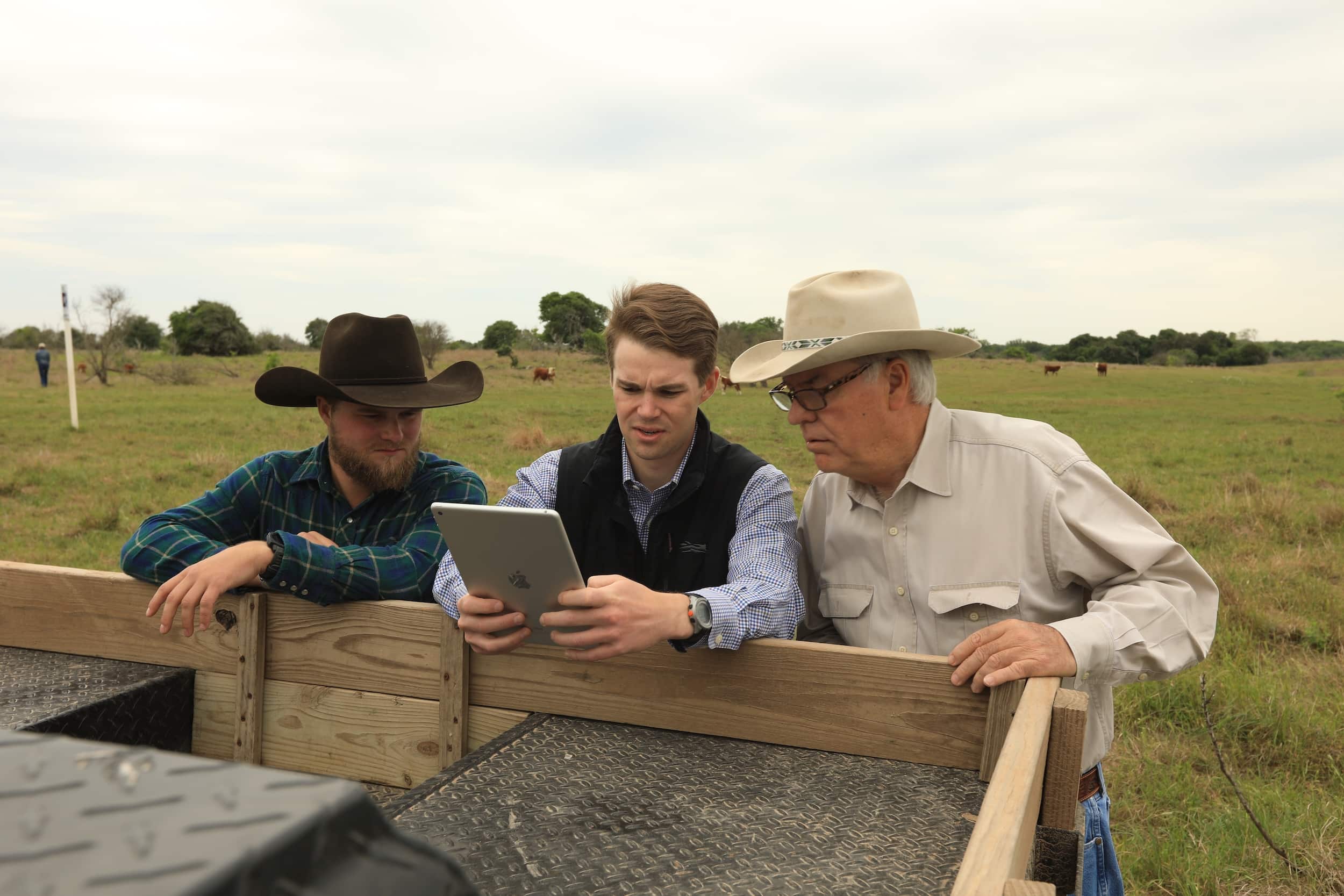
If we want to reduce the carbon footprint per pound of beef, we have to empower producers to make better decisions on the ground. This means providing tools that don’t just capture data, but visualise it in a way that makes sense at the 1:00pm tailgate meeting with the vet. It means providing access to the technical hours required for an advisor to sit down with a rancher and say, “Your data shows your weaning weights are lagging in the North pasture; let’s look at your mineral program and your forage quality.”
The path forward
Sure, the beef industry can always do more with data, but what really drives impact is more support turning data into insights and application.
When producers are equipped with the necessary insights and support to improve their operation’s efficiency and productivity, participation transforms from a burden into a source of tangible business value. The resulting improvements in performance, waste reduction, and increased resilience naturally lead to environmental benefits.
If you’re ready to join or create opportunities to support family farms and ranches in becoming more productive and resilient through insight, action, and continuous improvement, let’s talk.
—
Discover how AgriWebb is collaborating with cattle producers and agrifood corporations to foster mutually beneficial red meat opportunities. Learn more here.