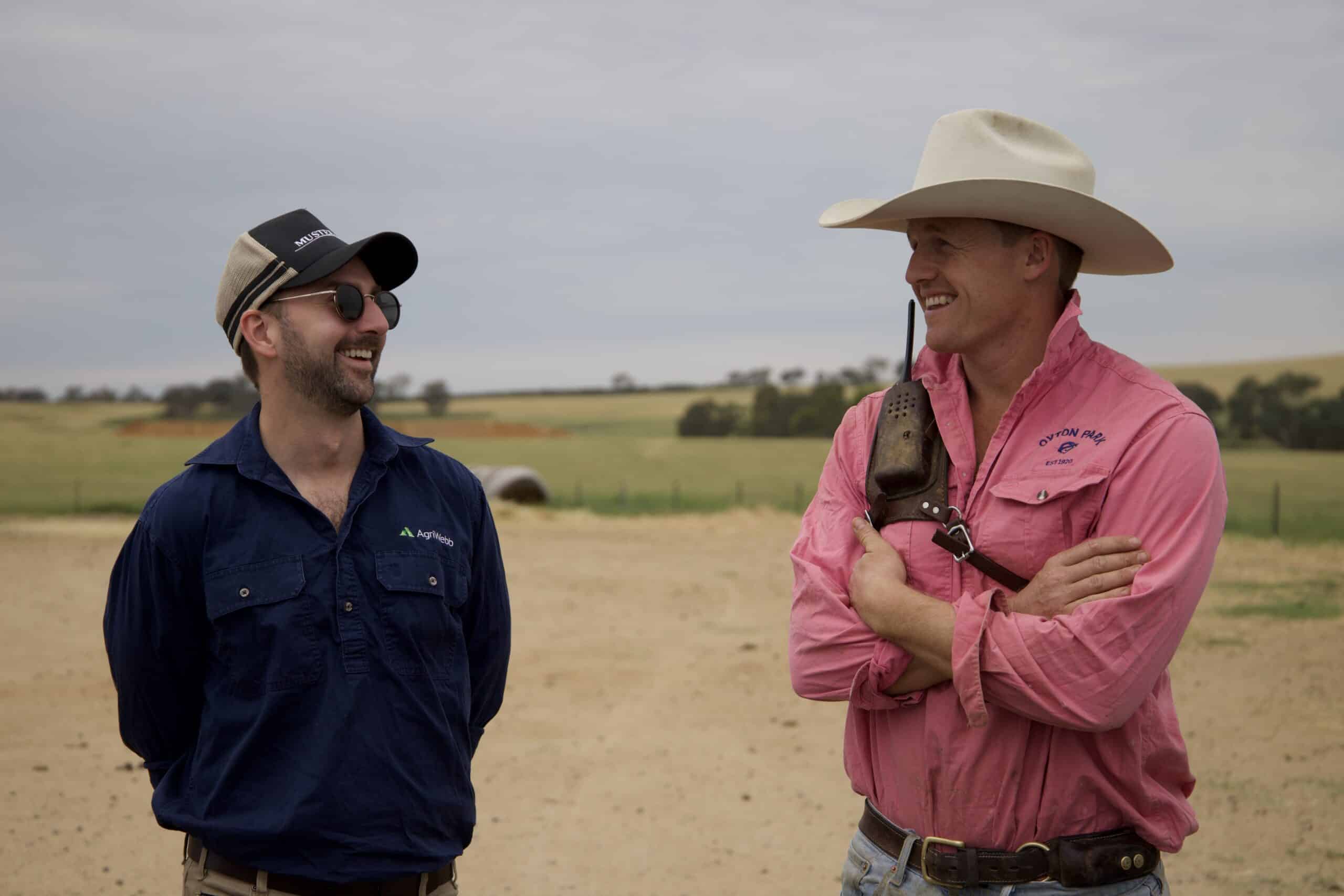

Forward-thinking, data-driven, and farmer-first
Oxton Park is one of those operations that quietly reminds you what good agtech adoption actually looks like: practical, purposeful, and always tied back to better decisions on farm.
Oxton Park is a farming business located just outside of Harden in South West New South Wales. Established in 1920, Oxton Park has cemented itself as a leading agribusiness in the region specialising in both livestock and cropping production systems. Co-managed by cousins Jack and Max, and Brad Cavanagh, and a fantastic group of long-standing teammates, Oxton Park has been an AgriWebb customer since 2018. They’re tech-savvy producers, but they’re also clear on one thing: technology only earns its place if it genuinely improves the way the business runs.
“The data we capture needs to help us make better decisions,” says Jack.
“And I want to capture the relevant data as simply as possible,” adds Max.
A long history of thinking ahead
Water has always been critical at Oxton Park. Jack credits the older generation for setting the operation up for success early.
Jack’s grandfather and great uncles Justin and Kevin O’Connor were visionaries in many ways. One being the importance they put on water security, ensuring each paddock had trough access to clean water. That legacy still shapes how the business operates today, leaning on experience from the older generation while continuing to evolve with new tools and ideas.
Low-hanging fruit, done well
When it comes to agtech, Jack and Max are deliberate about adoption.
“The first thing you need to think about is what problem you’re trying to solve,” Jack explains. “From a tech perspective, we go after the low-hanging fruit, we think about what’s actually going to work well for us.”
That mindset has led them to integrate tools like FarmBot and to be vocal about the need for platforms like Case Field Ops and AgWorld to connect, avoiding double entry and keeping data clean.
After all, as Jack puts it: “Rubbish in, rubbish out. It is so important that our team understands that we rely on the information they put into AgriWebb to make daily business decisions”
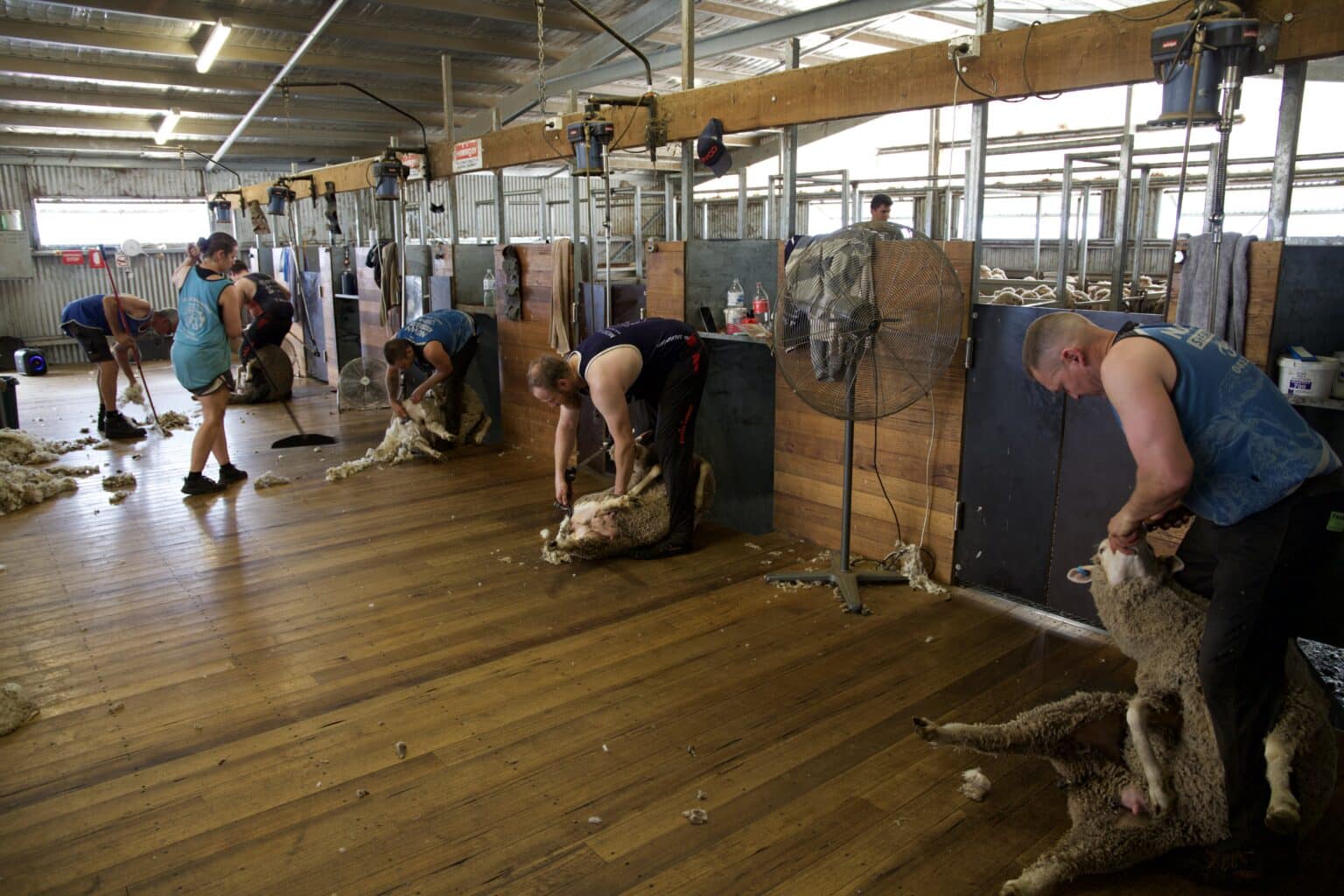
Saving time, money, and mistakes
The business impact has been significant.
- Jack estimates they save more than $50k per year, or at least one full labour unit.
- Fewer mistakes caused by manual data input processes
“AgriWebb saves time and money,” says Jack. “It limits the mistakes humans make and helps me do my job better. It’s a tool we use to make the whole operation work better.”
Feed budgeting is a standout use case, helping the team stay proactive rather than reactive during both good and poor seasons.
Making audits a breeze
That focus on good data has paid off over the years, with simplifying audits being one of the biggest wins.
“We got audited once, and when they saw we were using AgriWebb, the whole process was a breeze,” Jack says. “Auditors feel better because they know you’re already in the data-collecting mindset.”
It’s a recurring theme, using AgriWebb not just for compliance, but as a signal that the business is well run and across its numbers.
Cropping, records, and onboarding staff
For Max, AgriWebb plays a big role on the cropping side of the operation.
“It’s a really solid basic record-keeping tool,” he says. “Sowing dates, spraying and chemicals, withholding periods, and maps are huge for new staff.”
That clarity has made staff onboarding straightforward.
“As a general rule, we don’t have many issues inducting staff,” Jack explains. “We start slow, usually with moving livestock around, and then expand from there. It’s pretty intuitive, especially for the younger teammates.”
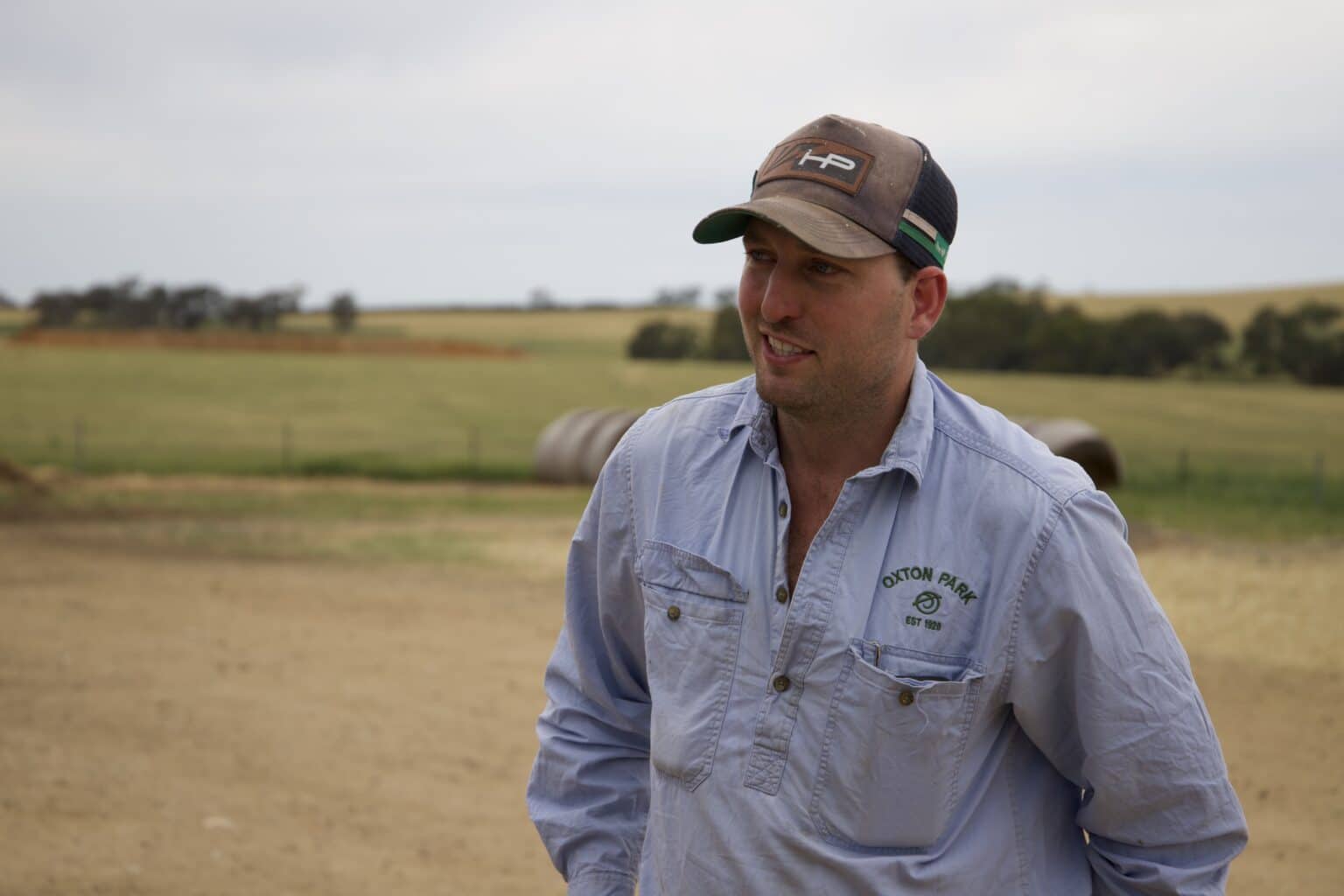
Looking ahead: sustainability and traceability
Oxton Park is already thinking about what’s next for the industry. They’ve been establishing baselines with Ruminati for four years, are part of the AWI sustainability project, and are actively mapping vegetation and exploring environmental accounting and carbon.
“The next thing people will really care about is sustainability and traceability,” Jack says.
Over the coming years, the focus will be on insetting, improving sustainability outcomes within the business, without sacrificing land productivity or profitability.
“We want to safeguard our own future,” Jack explains. “That means getting on the front foot with tech, and a sustainability plan, that actually works for us.”
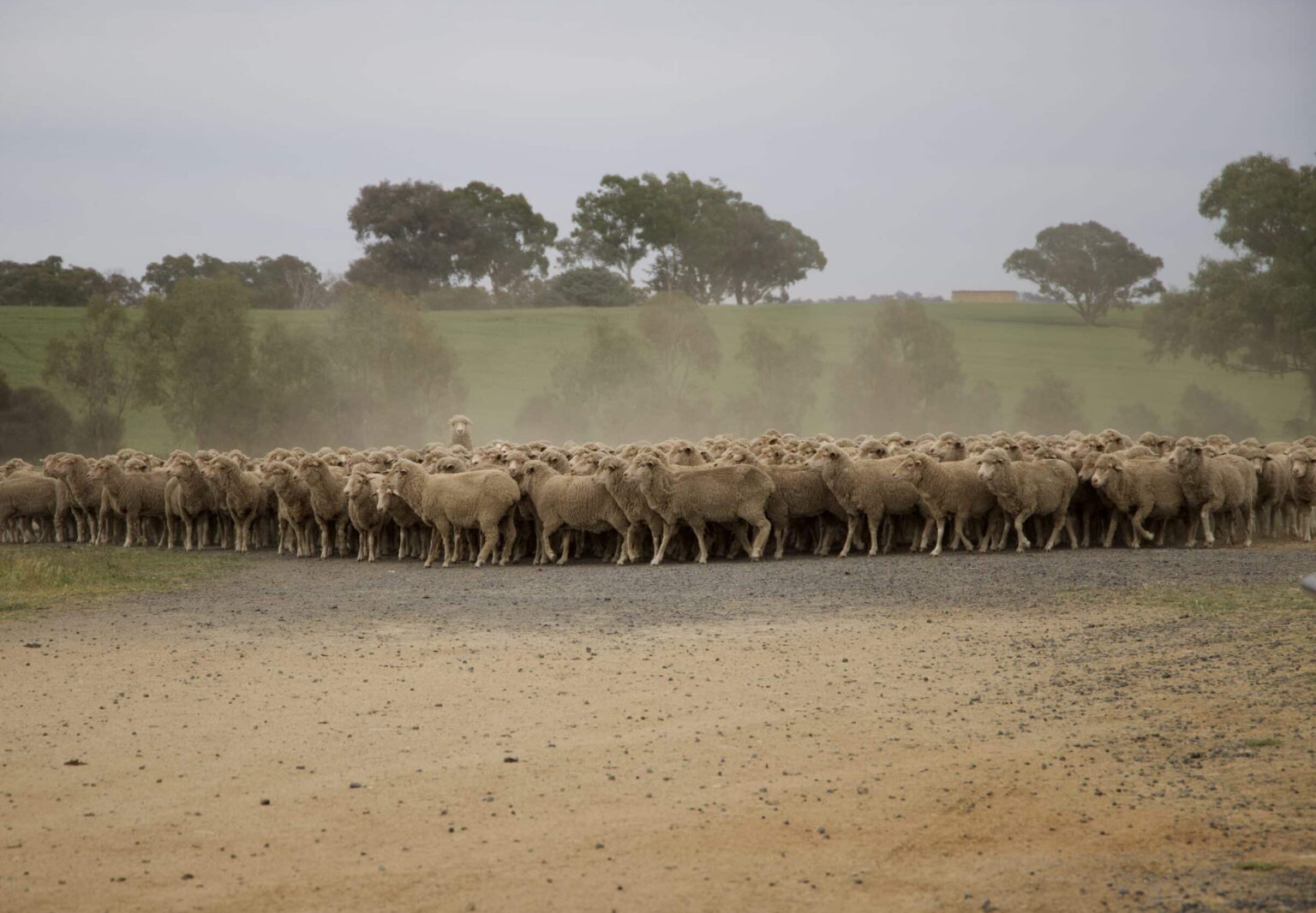
Farmer-first, always
Jack and Max are clear on one thing they want from agtech providers.
“Agtech needs to stay farmer-first,” Jack says. “If it doesn’t solve a real problem, it won’t stick.”
For Oxton Park, AgriWebb has stuck, because it fits naturally into how they run their business, supports smarter decisions, and leaves them better prepared for whatever comes next.
If you’re interested in seeing whether AgriWebb could be a good fit for your business, please reach out to our team today 02 8311 4675, or start your free 14-day trial here.